
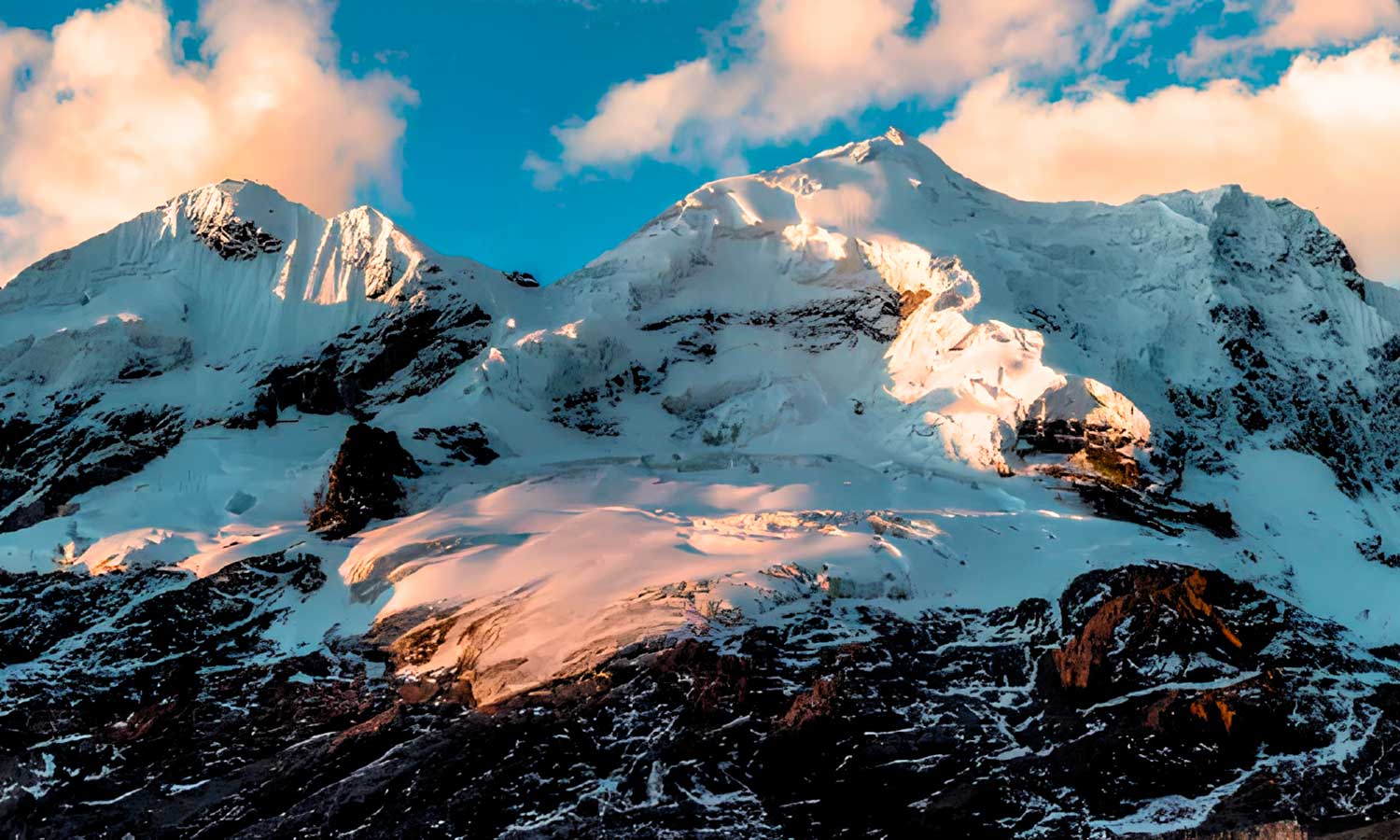
In the Andes, the Apus are jealous guardians who keep a close watch on anyone who enters their territory.
If you’re wondering how to visit the Andes with respect, you must first understand that here the mountains are not just scenery—they are more than just scenery. When you arrive, you’re captivated by their beauty, but there’s also something awe-inspiring about them: they have a presence, a character, and a memory. These mountains—the Apus—are protective spirits whose worship dates back to pre-Inca times and who, over time, became deeply integrated into the Inca worldview, acting as mediators between humans and the great deities, such as Inti, the sun that illuminates and gives life. They are credited with caring for the earth, the climate, and the resources that sustain life. For this reason, for the surrounding communities that live alongside them, the Apus are not distant figures: they are watchful guardians, living forces that influence daily life. To this day, before venturing into their domains, many residents perform rituals to give thanks for their protection and ask for permission to pass.
Here are the most famous rituals for entering these places with all the spiritual assurance that the setting deserves:
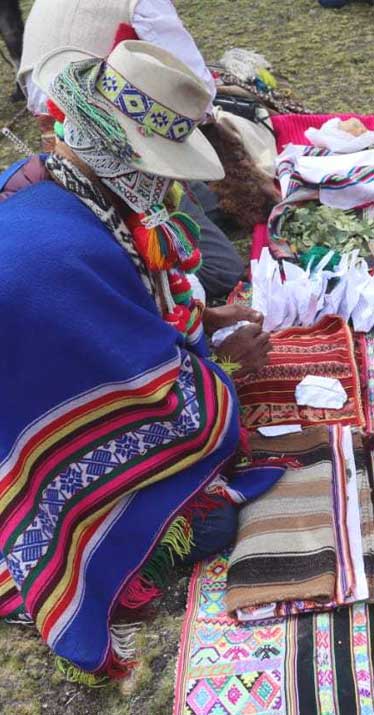
The Offering to the Earth: A Ritual of Respect for the Apu
One of the best-known rituals is the offering to the earth. This is an offering to Pachamama in which symbolic items such as chicha, coca leaves, sweets, cigarettes, or alcohol are presented. It is neither a tourist attraction nor a mere formality, but rather a gesture of respect—a way of saying, “I am here, and I acknowledge your presence,” before setting out on the journey. In ancient times, these rituals included animal and even human sacrifices, performed to ask for abundance, protection, or mercy. Over the centuries, those practices have been left behind, though traces of them have been found in various spots throughout the mountains, reminding us of the depth of this spiritual connection.
The most famous and best-preserved mummy in Peru is the Juanita Mummy, also known as the Lady of Ampato—named after the Ampato volcano, located in the department of Arequipa, where she was found alongside various offerings and ritual objects.
The apachetas
Another tradition involves small mounds of stacked stones called “apachetas.” In the past, they were built along the sides of the road to give thanks to Pachamama, Mother Earth, and the Apus, and to ask for protection on journeys.
It is believed that removing a stone or dismantling an apacheta is considered an act of sacrilege, a sign of disrespect toward the gods and the spirits of the mountain. For this reason, it is best not to disturb these small structures.
Upon reaching an apacheta, travelers should leave a stone or a few coca leaves as an offering to the guardian spirit of the place. This is an act of respect and a request for protection before continuing along the trail.
Over time, many apachetas have also incorporated crosses, candles, and religious images, reflecting the fusion of Andean tradition and the Christian faith.
Today, the ritual is usually led by a shaman who knows every step and every word. He conducts the ceremony with respect, praying that the travelers’ journey be peaceful and that those who enter the mountain return safe and sound.
And although many travelers view it as a mere tradition or a show put on by the locals to provide a mystical experience, in the Andes it is said that the Apus are protective of their territory; therefore, before entering a sacred mountain, you should at least show them respect… or they might remind you that you are on their territory.
