
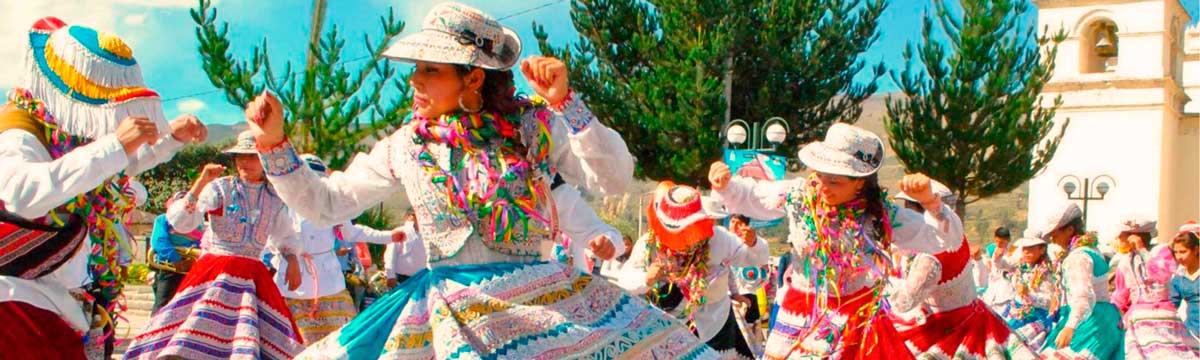
In the heart of the Colca Valley, when the music begins and the fringes sway to the rhythm of the steps, the Wititi ceases to be just a dance and becomes a game of glances. Known as the Dance of Love, this cultural expression from the department of Arequipa was recognized as Intangible Cultural Heritage of Humanity by UNESCO in 2015, although its true value is felt when you see it come to life in the plaza.
Witit: Devotion and Tradition
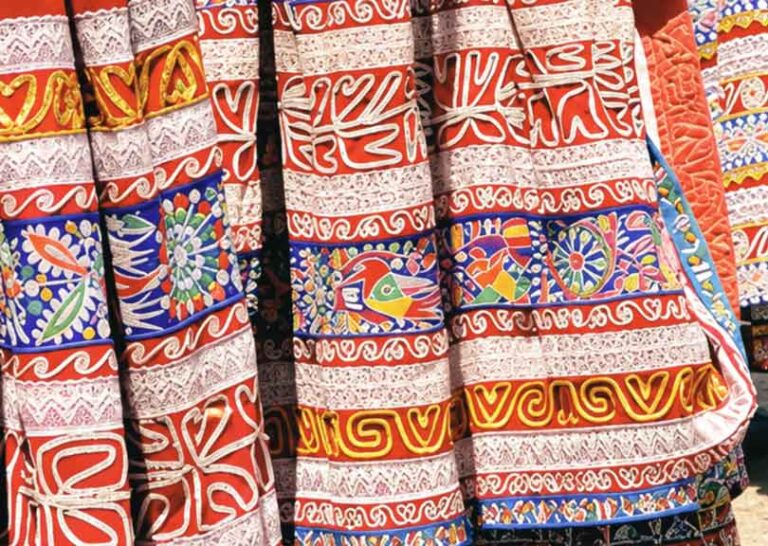
Originating in the village of Tapay, the Wititi represents courtship—but not an obvious or innocent one. It is a ritual in which movement speaks louder than words and where identity is concealed amid colors, embroidery, and precise steps.
Today, the dance is performed in honor of the Immaculate Conception, transforming the festival into a spectacle that blends devotion, music, and tradition.
In ancient times, the valley was inhabited by the Collaguas in the highlands and the Cabanas in the lowlands. One of the most widely told legends recounts that the Inca Mayta Cápac, upon arriving in Colca, fell in love with the Collagua princess Mama Tanqaray Yaqchi. To approach her without arousing suspicion, he decided to dress as a woman and win her over through dance, thereby sealing the union between Cusco and the valley, all this at a time when the Inca Empire was expanding—through conquest by force or, in this case, through love.
Other accounts describe a different strategy: disguise as a silent weapon, a way to confuse the enemy and protect the people.
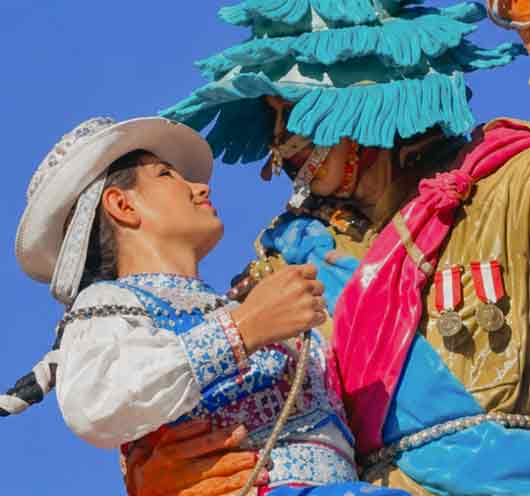
Love or war—the mystery continues to dance among the Wititi’s footsteps.
El vestuario refuerza ese enigma. Men and women wear similar clothing, but the male dancers are distinguished by their fringed hats, which cover their faces, and the lliqllas crossed over their chests, concealing their identities and allowing movement to be their only language
Secret courtship or an age-old tactic? Perhaps both.
One thing is certain: seeing the Wititi live is an experience you’ll never forget. If you visit the Colca Valley—especially on December 8, during the Feast of the Immaculate Conception—be sure to have your camera ready: amid the music, faith, and celebration, even the children join in the dancing, keeping alive a tradition that isn’t just observed… it’s felt.
