Top Posts
Cusco Tour: 3 differences between Machu Picchu, Mountain...
Quechua Travel Words: Useful words for a great...
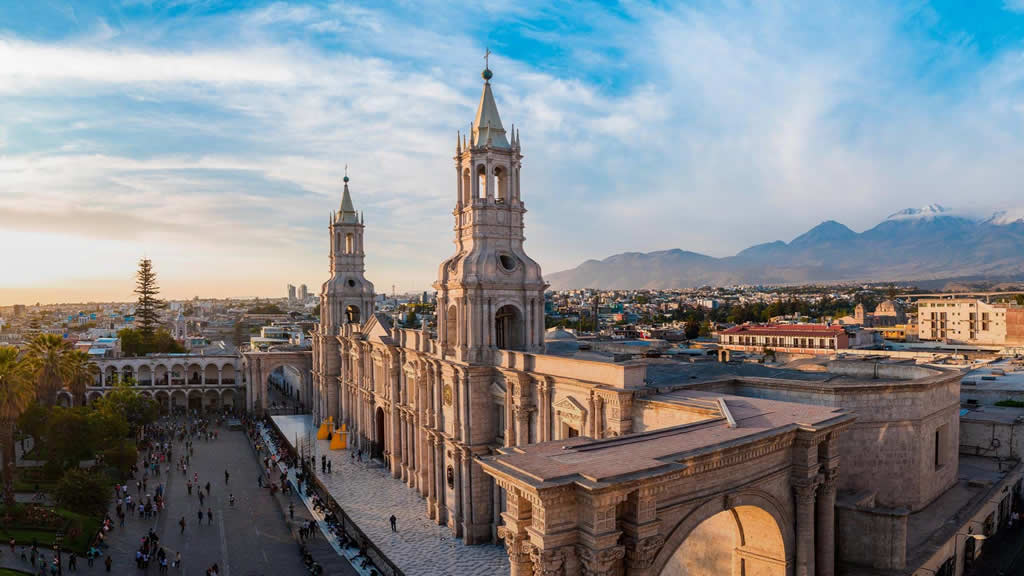
Tour Arequipa: The fascinating stone city of Choqolaqa
Tour Arequipa: Stunning Salinas and Aguada Blanca N.R....
Protecting Our Planet Starts with You – 9...
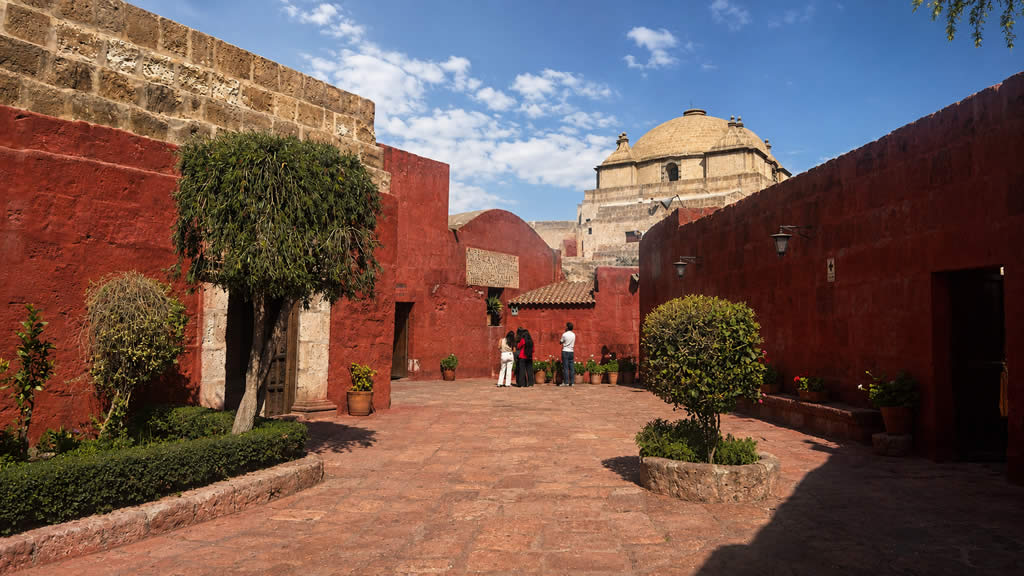
8 highlights of Arequipa – Tips to enjoy...
FOOD in Arequipa: 8 delicious Dishes that Are...
Embroidery in the Colca Valley a Cultural Heritage...
The interdimensional gate Aramu Muru. Fascination & mystery.
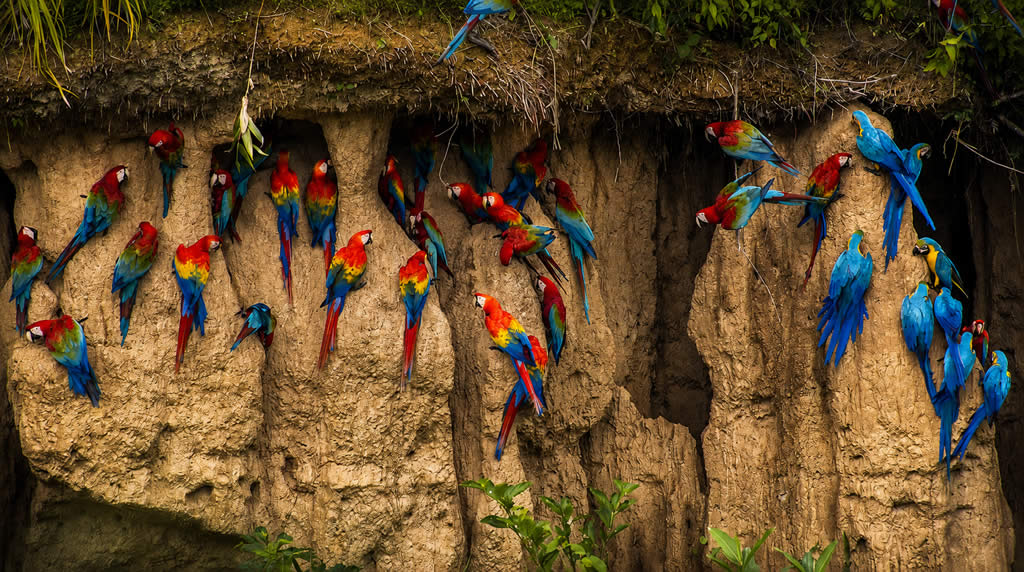
Pacaya Samiria Reserve: A world destination not to...
  • Go to Giardino Tours
  • English
  • Español
Giardino Tours Blog
TRANSFORMING TRAVELS INTO MEMORABLE STORIES
Tag:

UNESCO

FeaturedPeru Great DestinationsTravel Tips

Cusco Tour: 3 differences between Machu Picchu, Mountain & Huayna Picchu

by Giardino Tours February 4, 2025

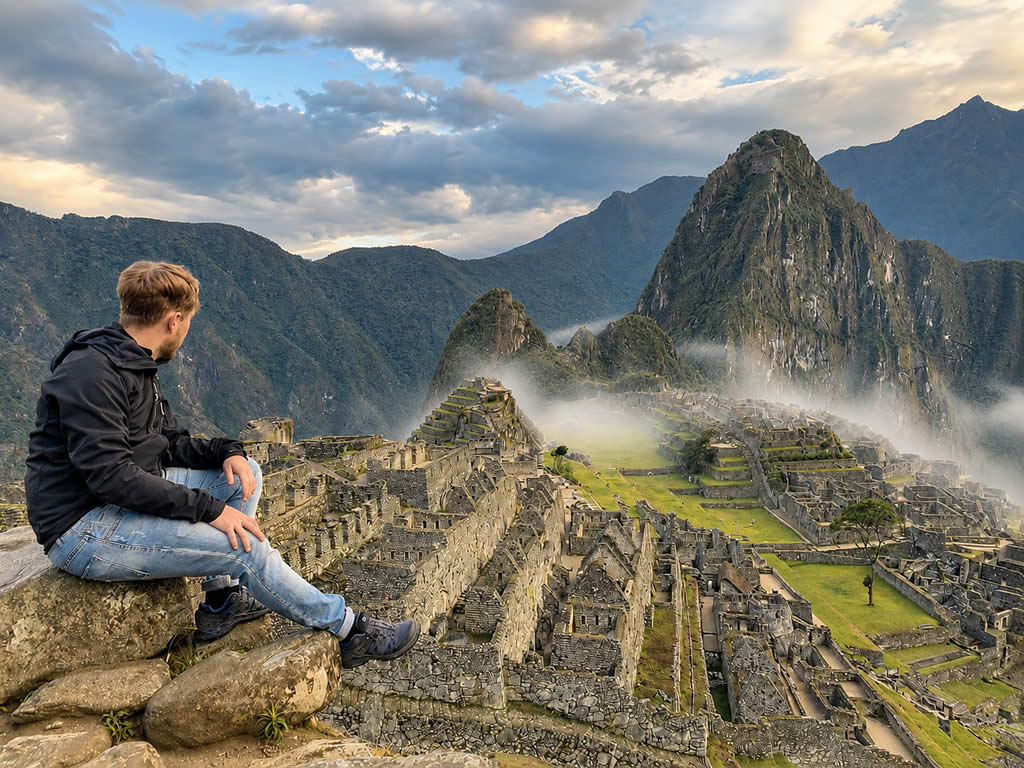
Today there are different concepts about entrances when you want to visit Machu Picchu that oft lead to some confusion to our travelers, here we explain you the differences:[penci_fancy_heading _text_align=”left” p_title=”Citadel or Sanctuary (LLaqta):” turn_on_title=”yes” _title_typo=”font_family:%3A” _title_fsize=”20px” _subtitle_typo=”font_family:%3A” _desc_typo=”font_family:%3A” title_color=”#3cc154″][/penci_fancy_heading]The Citadel or Sanctuary of Machu Picchu, are the Inca ruins itself, this is what we see in all pictures, that have made this Peruvian attraction so famous. There are buses from Machu Picchu Pueblo that take you to the entrance of the Sanctuary, where you will check your entrance ticket according to your booked schedule.
The citadel is located to 2.490 meters high and takes the name of the “Mountain” where it is located; in other words, the name of the “citadel itself“ still unknown.[penci_fancy_heading _text_align=”left” p_title=”Huayna Picchu Peak:” turn_on_title=”yes” _title_typo=”font_family:%3A” _title_fsize=”20px” _subtitle_typo=”font_family:%3A” _desc_typo=”font_family:%3A” title_color=”#3cc154″][/penci_fancy_heading]The famous Huayna Picchu peak is one of the mountains that is located in front of Machu Picchu citadel, and which can be climbed using a path that departs from the Citadel itself.
At the top there are some ruins and you will have an amazing view of the citadel and the area and if you want more, there is also another trail up to the temple of the moon.
This mountain is located to 2,720 mts and is only allows the entry of 400 people per day, in two groups of 200 persons (07:00 AM and 10:00 AM). For this reason the tickets must be bought in advance. The ascent takes approximately two hours, and the trail to the temple of the moon, or the Great Cavern, are about 4 hours.

Some facts:

  • It is known as the ‘Young Mountain’. Walking along its trails is recognized as one of the most incredible short walks on the planet.
  • The trails are steep and narrow. They were built on one side of the mountain. They can be terrifying for people afraid of heights.
  • If you suffer from vertigo or acrophobia, it’s best to avoid to walk to this mountain.

[penci_fancy_heading _text_align=”left” p_title=”Machu Picchu Mountain:” turn_on_title=”yes” _title_typo=”font_family:%3A” _title_fsize=”20px” _subtitle_typo=”font_family:%3A” _desc_typo=”font_family:%3A” title_color=”#3cc154″][/penci_fancy_heading]Now you know that the “Inca city” is located on the mountain of Machu Picchu at 2,490 meters; but the mountain has an altitude of 3.061 meters. So now you have the possibility to walk to the TOP of the Mountain “Machu Picchu”.
From there the view is also spectacular and has the big advantage that allow 600 persons per day in 2 time schedule 09:00AM and 10:00AM, still not so popular as Huayna Picchu peak so the tickets do not run out so fast; but an incredible view is guaranteed.[penci_fancy_heading _text_align=”left” p_title=”¿Aguas Calientes = Machu Picchu Pueblo?” turn_on_title=”yes” _title_typo=”font_family:%3A” _title_fsize=”20px” _subtitle_typo=”font_family:%3A” _desc_typo=”font_family:%3A” title_color=”#3cc154″][/penci_fancy_heading]Aguas Calientes, currently known as Machu Picchu Pueblo; It is the nearest town to the ruins. This town can only be reached by train or by walking. This is the town where the trains arrive from Cusco or Ollantaytambo for the tour to Machu Picchu, there are hotels for visitors, restaurants and you can do some shopping.
Now! From Machu Picchu Pueblo are the departures of the buses that drive up to Citadel, This drive takes about 20 to 25 minutes. Machu Picchu Pueblo is located at 2,040 meters and its name before (Aguas Calientes = Hot water) comes from the hot springs that are close to the town.

Machu Picchu:

The citadel of Machu Picchu is maybe the main reason that thousands of visitor travel to Peru and also appears in the top destinations list by U.S. News.

It is ranked as the eighth best place to visit. Machu Picchu was discovered by Hiram Bingham in 19, the ruins are today part of the UNESCO World Heritage sites, and since 2007 is one of the New Seven Wonders of the world.
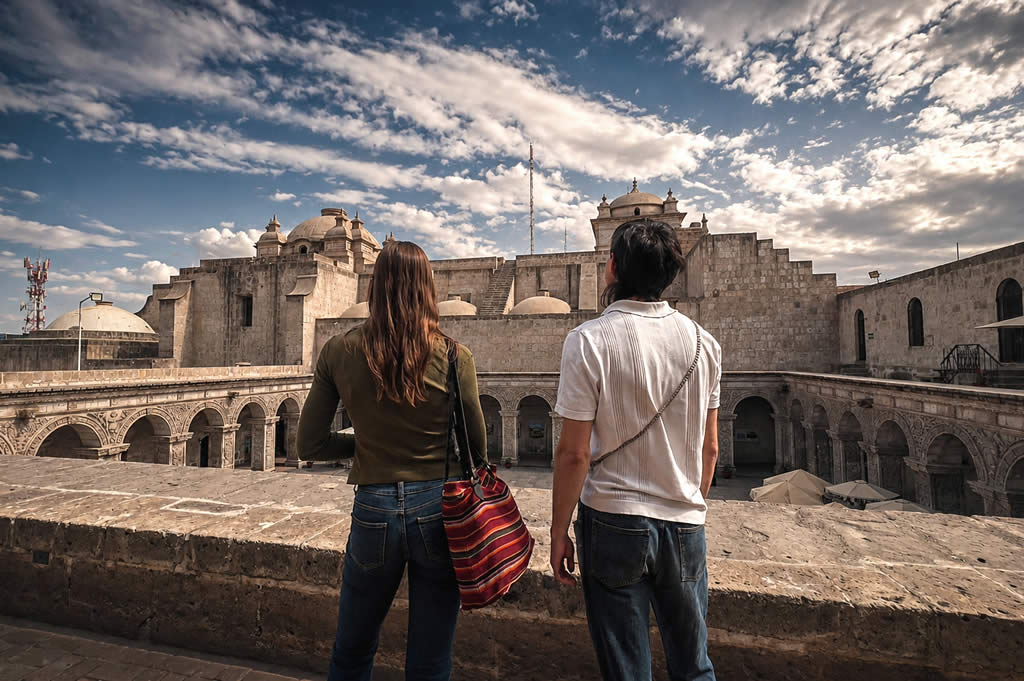
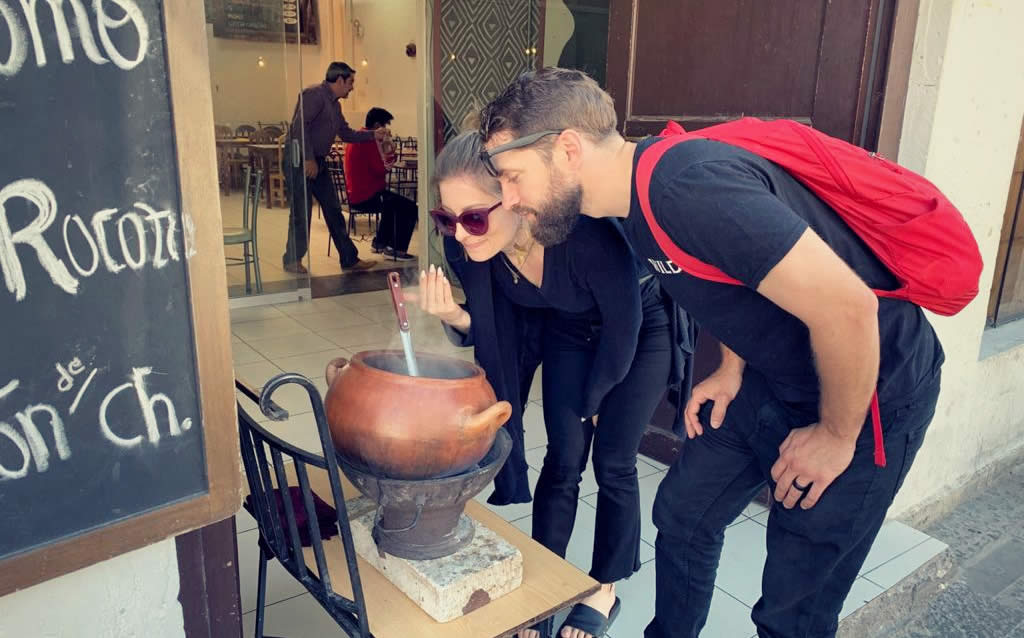
2 FacebookTwitterPinterestEmail
Peru Great DestinationsTravel Tips

8 highlights of Arequipa – Tips to enjoy Peru’s prettiest city

by Giardino Tours January 25, 2024

Arequipa Tour

In 1500s, the Hispanic-Peruvian chronicler Garcilaso de la Vega wrote the story of how Inca King Mayta Capac stopped his troops in the valley of the Chili river dazzled by the beauty of the place saying “Ari qepay” – That in Quechua language means something like “yes, You can stay” or “stay here”. With those words, said de la Vega, the city of Arequipa was born.

Well, we do not want to exaggerate being to much romantic, but for sure we have understood the symbolic message of this story.

Arequipa is not a city to pass quickly on the route during your trip to Peru; once here you are going to say “let’s stay here”

1.- Enjoy the gorgeous historical centre of Arequipa

Arequipa’s main attraction is unequivocally the magnificent historical centre, which owes its beauty and significance to more than just its impeccable off-white facades.

The architectural style of most structures, built in volcanic rock, shows an unprecedented and harmonious blend of European and native indigenous elements and techniques, which resulted in a spectacular display of exquisitely-decorated mansions, courtyards, cloisters and churches.

Peruvian architect and writer Hector Velarde couldn’t have described it better: “the architecture of Arequipa is all about the marriage between conqueror and conquered, it’s a true fusion. It is the perfect colonial architecture, maybe the most complete of all Mestizo-American architectures”

  • Plaza de Armas (The best photos are during Sunset)
  • Casa Tristan del Pozo
  • Casa Moran
  • Plaza San Lazaro
  • Plaza and Church San Francisco.
  • Church and cloister of La Compañía de Jesus
  • Streets of Arequipa City center that close into the Main Square

2.- Mundo Alpaca

If you think that to visit “Mundo alpaca” is only a shopping store with live alpacas, it is wrong! Mundo Alpaca it’s actually a small and very well-organized “Alpaca Boutique and Museum”.

Live the experience of the “Alpaca and Vicuña” and learn about the tradition, process and history of its fibers and the wonderful textiles of the Andes.

Here you will not only interact with the Alpacas but also you will travel to the past through the textile history that you will appreciate in its ” Museo Textil Pre-Columbian Amano – Michell”, which exhibits valuable textile pieces from pre-Columbian cultures.

To close the experience you will visit the Boutique where you can find excellent and top quality products for you and your family.

3.- San Camilo Market

Take your time to stroll down the different alleys, which are neatly organized by product type. You will be amazed by the quantity of products and colors. Walk through the alleys of herbs, meats, breads, fruits, cheeses etc… Walk through the juice alley and taste a good glass of fresh juice (the best juices we’ve ever tasted) and on the second floor visit the sale of flowers, textiles and also look some restaurants for locals.

Here you will discover the huge variety of potatoes that Peru offers.

Do you know that Peru has more than 3,500 varieties of potato, the largest in the world, and there are more than 700,000 families that live from its cultivation in 19 producing regions?

4.- Walk to the Yanahuara scenic lookout

For a wonderful view of this city and its volcanoes, there is no better place than the Yanahuara Lookout. On a clear day (which in Arequipa is almost 300 days a year) you will have photos of the city and its volcanoes as a postcard, from some elegant arches made arches made from the same volcanic rock used in the historical city center (Sillar).

Note that the arches have some inscriptions, which are quotes from famous Arequipan writers.

Take time to explore the Plaza. Church and some close streets and get in the Plaza a delicious “Queso helado” a kind of Traditional ice cream of this city.

5.- The Recoleta Convent

Only a 10-minute walk from the Plaza de Armas crossing the Río Chili over pleasant Puente Bolognesi on the way to Yanahuara, you will find the Recoleta convent museum.

It was founded in 1648 by Franciscan friars and rebuilt after many earthquakes. The peaceful Franciscan convent contains impressive cloisters with sillar columns, patios and lovely gardens.

Bibliophiles will delight walking around the Convent’s huge library, which contains more than 20,000 dusty books and maps; including rare published texts from the 15th century. The library is open for supervised visits, just ask at the entrance if you visit.

The convent museum includes several collections that are good to visit. One room is a collection of pre-Inca culture artifacts, including funereal masks, textiles, and totems; in another are mummies and a series of paintings of the 12 Inca emperors. Also is interesting to observe that the missionaries were understandably fascinated by prehistoric-looking fish, crocodiles, piranhas, and the clothing of indigenous communities.

6.- Santa Catalina Monastery

This incredible monument is located in the historic center of Arequipa. It served as a cloister for Dominican nuns from the 16th to the 18th centuries, and still houses a small religious community today.

The monastery occupies a territory of 20,426 m2 and was opened on September 10, 1579, just 39 years after the foundation of Arequipa city.

The whole complex is built from volcanic ashlar stone “Sillar” and is organized into cloisters, houses, patios, square, a gallery and a small chapel.

This monastery shouldn’t be missed!

7.-  Santa Teresa Monastery

This gorgeous 17th-century Carmelite convent is open to the public as a “living museum”; so called because several of the objects and rooms continue to be used as it was over 3 centuries ago.

The colonial-era buildings are justifiably famed for their decorative painted walls and restored rooms filled with priceless objects of art, murals, precious metalwork, paintings and other historical artifacts.

The museum is located in the city centre of Arequipa, a few bloks from the main square on calle Melgar 303.

PS: You must visit the Candy Shop: where you can taste cakes and desserts made daily by the nuns with ancient recipes. Also in the shop you will Souvenirs and craft items such as parsley and roses soap made from the roses of the monastery, Apple Vinegar and Bee Honey.

This monastery is also another gem of Arequipa!

8.- The Library  “Mario Vargas Llosa.”

Mario Vargas Llosa was born in Arequipa, Peru in 1936. He is the author of fifteen novels, including La Ciudad de los Perros (The Time of the Hero) (1963), La casa verde (The Green House) (1966), and La guerra del fin del mundo (The War of the End of the World) (1981).  He has also written three short story collections, including Los jefes (The Leaders) (1959), as well as several collections of essays. His books have been translated into more than thirty languages.

In 2010, Vargas Llosa was awarded the Nobel Prize for Literature.

So, there is no doubt that Arequipa city is proud of Its son, who now resides in Spain.

The Mario Vargas LLosa library is located in a Colonial house in the historical center of Arequipa and offers 7,900 titles ranging from fiction, history, social sciences and magazines, but the number keep growing.

“Through books we can see what we don’t have and we would like to have, thanks to books we will fight prejudice and see how absurd and irrational differences are. Literature makes us more human, makes us more reasonable, literature makes us more free, breaks borders,” – Mario Vargas Llosa on the inauguration of the Library.

What do you think?

We invite you to Discover Arequipa and live the experience of the White City of Peru

Giardino Tours – Blog

#ItravelWithGiardino #OneTripManyExperiencesInteresting related links:

Tour Arequipa: The Cathedral & 5 curious facts that you should know

Tour Arequipa: The fascinating stone city of Choqolaca

Tour Arequipa: Stunning Salinas and Aguada Blanca N.R. & the Best way Visit It[vc_gmaps link=”#E-8_JTNDaWZyYW1lJTIwc3JjJTNEJTIyaHR0cHMlM0ElMkYlMkZ3d3cuZ29vZ2xlLmNvbSUyRm1hcHMlMkZlbWJlZCUzRnBiJTNEJTIxMW03MCUyMTFtMTIlMjExbTMlMjExZDc2NTUuMTY0OTU5Nzc5OTUlMjEyZC03MS41NDE2MjY1MjM3NTM0JTIxM2QtMTYuMzk1MjE3ODA0NzIwOTUlMjEybTMlMjExZjAlMjEyZjAlMjEzZjAlMjEzbTIlMjExaTEwMjQlMjEyaTc2OCUyMTRmMTMuMSUyMTRtNTUlMjEzZTIlMjE0bTUlMjExczB4OTE0MjRhNTlmZmFlMjk5OSUyNTNBMHhjNDE5ZjQ5ZDFmOWNkMjcwJTIxMnNQbGF6YSUyNTIwZGUlMjUyMEFybWFzJTI1MjBBcmVxdWlwYSUyNTJDJTI1MjBBcmVxdWlwYSUyNTJDJTI1MjBQZXJ1JTIxM20yJTIxMWQtMTYuMzk4ODA4NCUyMTJkLTcxLjUzNjkwNTYlMjE0bTUlMjExczB4OTE0MjRiNGRiM2FiMTM0NSUyNTNBMHhhYTNkNjY1NWExZTUxNzE0JTIxMnNNZXJjYWRvJTI1MjBTYW4lMjUyMENhbWlsbyUyMTNtMiUyMTFkLTE2LjQwMzAyNTElMjEyZC03MS41MzQ5NjQzOTk5OTk5OSUyMTRtNSUyMTFzMHg5MTQyNGE1MTY5NmIxNWU3JTI1M0EweGFmOGMwNjRiZDVlNjliMDIlMjEyc1NhbnRhJTI1MjBUZXJlc2ElMjUyQyUyNTIwQXJlcXVpcGElMjUyQyUyNTIwUGVydSUyMTNtMiUyMTFkLTE2LjM5NjU5MDUlMjEyZC03MS41MzE4OTQxJTIxNG01JTIxMXMweDkxNDI0YTRmZTFhZTJkODUlMjUzQTB4ODRhYTFjNzU5M2YxM2NjZSUyMTJzTXVuZG8lMjUyMEFscGFjYSUyMTNtMiUyMTFkLTE2LjM5MjkyMzElMjEyZC03MS41MzU0NTM5JTIxNG01JTIxMXMweDkxNDI0YjFkY2Q5ZDAzMjElMjUzQTB4OGQ4N2Y0ZTkzYTQzOGU3ZSUyMTJzWWFuYWh1YXJhJTI1MkMlMjUyMFlhbmFodWFyYSUyNTIwRGlzdHJpY3QlMjUyQyUyNTIwUGVydSUyMTNtMiUyMTFkLTE2LjM4NzQxMDYlMjEyZC03MS41NDE5Mjk0JTIxNG01JTIxMXMweDkxNDI0YTUwNThjYTU5YTklMjUzQTB4NjIyZTBhOWQ1MGYxZThlZCUyMTJzQmlibGlvdGVjYSUyNTIwUmVnaW9uYWwlMjUyME1hcmlvJTI1MjBWYXJnYXMlMjUyMExsb3NhJTIxM20yJTIxMWQtMTYuMzk1NTk3MiUyMTJkLTcxLjUzNDkxODglMjE0bTUlMjExczB4OTEwNzM3ZDk0YTg0MDZiZCUyNTNBMHg2OWY3NWFkOWJkMzA1OTAlMjEyc1NhbnRhJTI1MjBDYXRhbGluYSUyNTIwTW9uYXN0ZXJ5JTIxM20yJTIxMWQtMTYuMzk1MjgyODk5OTk5OTk4JTIxMmQtNzEuNTM2NzkwNzk5OTk5OTklMjE0bTUlMjExczB4OTE0MjRhNWU5ODZhOTA1MSUyNTNBMHgyZjYwNGRlYTk1YmM2MjlmJTIxMnNNb25hc3RlcmlvJTI1MjB5JTI1MjBNdXNlbyUyNTIwZGUlMjUyMGxhJTI1MjBSZWNvbGV0YSUyMTNtMiUyMTFkLTE2LjM5MzkwMzIlMjEyZC03MS41NDE0Nzg1OTk5OTk5OSUyMTRtNSUyMTFzMHg5MTQyNGE1OWZmYWUyOTk5JTI1M0EweGM0MTlmNDlkMWY5Y2QyNzAlMjEyc1BsYXphJTI1MjBkZSUyNTIwQXJtYXMlMjUyMEFyZXF1aXBhJTI1MkMlMjUyMFR1dHVydXR1JTI1MkMlMjUyMEFyZXF1aXBhJTI1MkMlMjUyMFBlcnUlMjEzbTIlMjExZC0xNi4zOTg4MDg0JTIxMmQtNzEuNTM2OTA1NiUyMTVlMCUyMTNtMiUyMTFzZW4lMjEyc2RlJTIxNHYxNjE3MTA3ODY5NjQzJTIxNW0yJTIxMXNlbiUyMTJzZGUlMjIlMjB3aWR0aCUzRCUyMjYwMCUyMiUyMGhlaWdodCUzRCUyMjQ1MCUyMiUyMHN0eWxlJTNEJTIyYm9yZGVyJTNBMCUzQiUyMiUyMGFsbG93ZnVsbHNjcmVlbiUzRCUyMiUyMiUyMGxvYWRpbmclM0QlMjJsYXp5JTIyJTNFJTNDJTJGaWZyYW1lJTNF”]

4 FacebookTwitterPinterestEmail
Culture & TraditionsFeaturedTravel Tips

FOOD in Arequipa: 8 delicious Dishes that Are Worth a Trip to Arequipa, Peru

by Giardino Tours July 7, 2021

FOOD in Arequipa: 8 delicious Dishes that Are Worth a Trip to Arequipa, Peru

In January 2015 the UNESCO recognized Arequipa city as one of the 66 World’s creative cities in gastronomy.

The certificate was delivered by the Unesco representative in Peru, Ernesto Fernández, who highlighted that Arequipa city is one of the 66 cities in the world that were declared creative cities in gastronomy.

According to the Arequipa Picantera Society (Picanteria is the name of traditional restaurants in Arequipa), the number of dishes that this region offers would reach about 194 (40 entrees, 22 types of soups, 70 stews and 62 desserts and drinks). For this reason, this city has earned a deserved culinary fame, both among locals and travelers.
Without a doubt, Arequipa’s cuisine has in the “Picanterías” the sanctuaries of knowledge and flavor, which treasure centuries of tradition, creativity and innovation because they are the authentic guarantors of the future of this emblematic Peruvian regional cuisine.
If you are planning to visit Arequipa and you don’t want to miss dishes that will delight your palate, we show you this list with some of our typical dishes. – Enjoy them!

1.- El Rocoto Relleno (The stuffed Rocoto).

One of the most emblematic dishes of Arequipa is “Rocoto relleno”

This is a type of stuffed pepper. But unlike other recipes that are based on sweet peppers, this dish uses ROCOTO, a red pepper that is ten times hotter than the famous jalapeño.

These rocotos are so spicy that to reduce the itchiness they are cooked in water and vinegar, however this does not take away totally the spicy flavor that also contains a first-class taste and aroma.

The filling is based on a mixture of meat, butter, cream and nuts. It is also often topped with a slice of melted cheese. The most typical thing is that it is accompanied by a piece of potato cake (Pastel de papa).

2.- El “Americano”  (The American)

The “American” is a very traditional dish in Arequipa and although currently it is presented in many forms and combinations in the traditional Picanterías, the original recipe presents a conjunction of 4 hot spices: a portion of rice, meat stew, pumpkin chili pepper, brambles of legs and a torreja, served in a single plate one after another.

The delicious Arequipeño meat stew is one of the most common dishes and can be prepared from various types of meat, but the one served in the “americano dish” is beef, onion, carrot, potatoes and red chili, accompanied with white rice.The stew can also be replaced by the locro (a spicy made with mash potatoes). Nowadays the American is also served with a stuffed hot pepper or a noodle cake.

3.- Chupe de Camarones  (Shrimp great soup).

This soup prepared with shrimp is a very powerful dish and with a great taste.

It is based on Shrimp accompanied by onion, tomato, beans, garlic. Yellow potatoes, corn, boiled eggs, rice, cheese, and milk are added to the soup.

This dish is typical throughout the coastal area of Peru; However, the Arequipeño Chupe de camarones is simply the king of all of them.

4.- Soltero de Queso (Chees fresh salad)

This entrée is used also as a garnish.

This salad is based in fresh cheese, hot peppers, onion, olives, beans and tomato. The most common is to find this typical dish seasoned with vinegar, parsley, salt and pepper.

This “salad” is a popular main dish for dinners in Arequipa and sometimes it is accompanied by boiled potato slices.

5.- Adobo Arequipeño

Adobo arequipeño, also known as adobo de chancho, is a traditional dish from Arequipa.

Normally it is tha Sunday brunch dish at Arequipa’s local picanterías. Amazing taste and very popular among the locals and visitors.

How maybe you already know, the term “adobo” is derived from the Spanish word adobar, meaning marinade and you will find many adobos around the world. But Arequipa’s adobo is quite different from the other adobos in the world.The arequipeño dish is a soupy pork stew, slow-simmered with chicha de jora, spicy rocoto pepper, aji panca, garlic, onions, oregano, cumin, and other herbs and spices. It is made in a clay pot to take advantage of all its flavor and It is cooked overnight.

Currently in the Cayma district it is possible to enjoy this dish every day in its famous picanterías (typical food establishments) Don’t forget to ask also for your “pan de tres puntas” (Bread with 3 cornes).

6.- Ocopa Arequipeña – Spicy traditional sauce

Ocopa Arequipena is a simple dish consisting of cooked and sliced potatoes covered in a Ocopa sauce.

Yes! IT IS THE SAUCE that gives it that special touch to this dish, since it is made from yellow hot pepper, onions, garlic, huacatay (a typical local herb), roasted peanuts, walnuts, cheese and breadcrumbs.

Bu, what make the big different to the taste? – It is the Huacatay (called black mint) is an endemic herb from Peru, it belongs to the mint family, I could say that it has a touch of bitterness like mint, but it has simply a unique flavor and aroma.

🙂 Boiled eggs, whole olives and lettuce leaves can be added to the unique “Ocopa arequipeña”.

7.- El Escribano – “The writer or Notary”

“El Escribano” is considered the ancestor of many dishes in Arequipa and its name comes from the tradition of the type of diners.

It is said that the origin of this dish dates back to colonial times. The judges, lawyers and especially the “Escribano (or writer)”, who exercised the functions of our current Notaries, went to the picanterías to eat something very quickly before the next session or at the end of their daily workday.

Sometimes they arrive to early or to late and did not always find food ready, so the spicy dishes would put on the table with a little of what was in all typical Arequipa cuisine; potatoes, tomatoes and of course the spicy rocoto, making sure that is very spicy so the diners become thirsty and consumed a lot of chicha (Traditional drink), while the main meal arrived.They say that some of the diners came up with the idea of mixing everything they had on hand and made their version of salad and so, this improvised dish, became part of the menu in the picanterías. As most of the diners were Notaries, they baptized it with that name, although it was also served to other members of the legal service and later to the general public.

8.- La Chicha de Guiñapo (Traditional drink)

As you’re traveling in Peru and visit traditional restaurants you may encounter a interesting drink called “Chicha de Jora”. This beverage is dating back thousands of years. Chicha is a timeless and iconic drink that every visitor to Peru should taste at least once.

La chicha de Jora is made similarly to other types of beer: by germinating corn, extracting malt sugars, boiling the wort, and then fermenting.

BUT…. In Arequipa you will find another version of the Chicha and this is the “Chica de Guiñapo”.

Chicha de guiñapo is the signature variety of Arequipa and uses a special type of maize (Purple) which only grows in that region. It is fermented for a couple of days, which gives it a low alcohol content of around 2-3%.

The taste is light and sweet, and it so perfect to any of of the spicy food of the unique Arequipa gastronomy.[vc_zigzag]

And do you get curious? We got to open your appetite?


Arequipa is a destination that will fill you with surprises and beautiful experiences, not only not only for its incredible geographical areas, parks and culture heritage, but will also be a feast for the good palate.
visit Arequipa in peru
We are waiting for you!

Giardino Blog

#ITravelwithGiardino #OneJourneyManyExperiences


Other links:

Embroidery in the Colca Valley a Cultural Heritage of the Nation

The interdimensional gate Aramu Muru. Fascination & mystery.

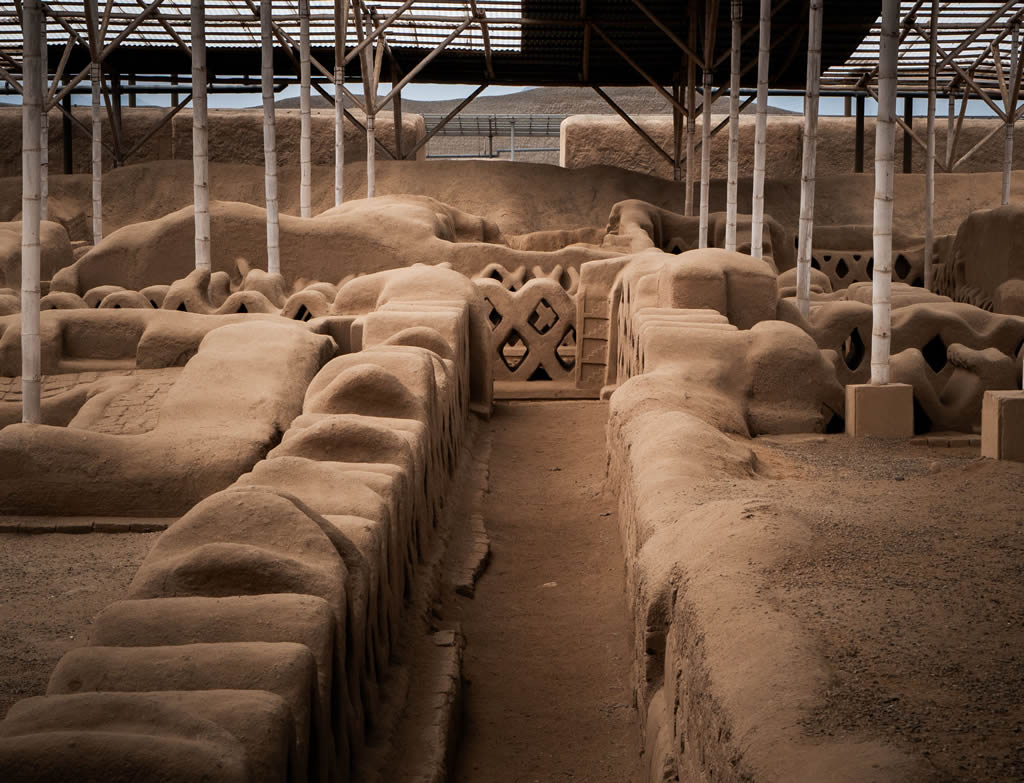
Chan Chan mud city, keeps surprising the world!

1 FacebookTwitterPinterestEmail
Pacaya samiria national reservePeru Great DestinationsTravel Tips

Pacaya Samiria Reserve: A world destination not to be missed

by Giardino Tours May 27, 2021

Pacaya Samiria Reserve: A world destination not to be missed

¡We have great news this May 2021! 🙂

Pacaya Samiria National Reserve, Peru’s second-largest protected natural area located in Loreto region— once again attracted the interest of the international tourism, as it was chosen as a must-visit destination during the 41st edition of the International Tourism Fair – FITUR 2021 in Madrid, Spain.

This was reported by the Spanish newspaper español La Vanguardia, in an article that explores destinations to travel “despite” COVID-19. This article was wroten by the journalist Lidia Bernaus and published in the  Magazine Lifestyle.

In the publication, the Pacaya Samiria National Reserve is described as “an amazing place that will impress even the most adventurous people.”

[vc_gallery interval=”3″ images=”2969,2970″ img_size=”large”]The Pacaya Samiria National Reserve is the only tourist attraction in Peru and the Americas that stands out as a world’s must-visit destination at FITUR 2021.

The Reserve is a tropical humid forest that can be flooded, and is home of lagoons such as El Dorado, and where up to 1,000 species of animals and more than 900 wild plants live, in addition to 50 native communities that are dedicated to hunting, fishing, and agriculture. Also the tourism as one of their main means of subsistence.

The extension of the reserve represents 1.5% of the Peruvian territory and 6% of the Loreto region, likewise, it is somewhat larger than the area of ​​Slovenia and comparable to 50% of the territory of Denmark, Switzerland, the Netherlands or Costa Rica or the 23% from Portugal, which ensures the ecological and genetic representativeness of the region.

Other destinations mentioned in this article include the volcanic island El Hierro, which is one of the Canary Islands  (Spain), Palma de Mallorca (Spain), the city of Cairo (Egypt), Bohol Island (Philippines), among others.

Clima:

The annual mean temperature ranges between 20 and 33 °C, while the annual mean precipitation ranges between 2000 and 3000 mm.[2] It is advisable to visit the reserve between May and January.[2] The climograph shown here corresponds to the nearby town of Nauta (93 m of elevation).

Tourism:

It is not possible to enter the Pacaya Samiria National Reserve on your own, it is always necessary to acquire the services of an authorized travel agency, a hostel, a cruise (luxury boats) or contact directly with the groups organized within the reserve.

On April 22, 2021, the Minister of Foreign Trade and Tourism, Claudia Cornejo, delivered the Safe Travels International Seal to the Iquitos-Amazon River-Pacaya Samiria National Reserve tourist destination. This was possible thanks to the coordination with the tourism sector, meeting in the Regional Pro Tourism Committee of Loreto.

We keep organizing and preparing ourselves better than ever, so that our travelers will enjoy our country in the safest, most personalized and sustainable way.

We are waiting for you!

GIARDINO BLOG

#OneTripManyExperiences #ITravelwithGiardino


Fuentes:

Mincetur / Turiweb / Wikipedia / Fitur2021


Other links:

8 highlights of Arequipa – Tips to enjoy Peru’s prettiest city

Peru Packing List post Covid-19: 5 Items that You Need to take to your Peru Trip

Peru Trip: Altitude mountain sickness and 6 easy tips to avoid it

0 FacebookTwitterPinterestEmail
Peru Great Destinations

Chan Chan mud city, keeps surprising the world!

by Giardino Tours March 17, 2021

Chan Chan mud Citadel

We have been totally impressed with the ability of the Incas to create a citadel with exactly carved stones in which no card can enter between 2 stones, but …What do you think of a city before the Incas, made of clay with perfectly detailed friezes on its walls and maintained to this day?

“It came from the sea, it is not known from where, in a fleet of rafts, with all its court and warriors, it reached the north coast of what is now Peru, in the Moche valley and founded a kingdom. His name was Tacaynamo and he was the first ruler of Chan Chan, the most important city in Chimú. He had a son named Guacricaur, and Guacricaur had also a son he named Ñancempinco. There were ten kings of this dynasty. The last, Minchancaman was defeated by the Incas, who destroyed the city and divided the kingdom. “ –  (Anonymous, 1604)

So, tells the legend collected in the document “Anonymous History” written in 1604 by a Spanish chronicler, which narrates the founding of Chan Chan and the kingdom of Chimor.This admirable city is located in the Moche Valley in the department of La Libertad and is currently one of the most important architectural representations of pre-Inca history.

When the Chimú empire was subdued by the Inca Tupac Yupanqui, around 1470, Chan Chan was sacked and destroyed. When the Spanish arrived, the town was a practically abandoned ruin. So Diego de Almagro founded in 1534, a new town that he called Trujillo, in honor of Francisco Pizarro’s small homeland of Extremadura.

Chan Chan Citadel and its details

Chan Chan, declared a World Heritage Site by UNESCO in 1986 is the largest mud citadel in America covering an area of ​​approximately 20 square kilometers.  Chan Chan has impressed the whole world with its magnitude and all the history that each one of its walls and narrow passages can tell us!

Most tourists only know Nik An (downtown house, in Spanish), the only one of the ten walled complexes open to the public. However, the largest adobe city in America – and the second in the world – is much more than that.

In the whole area there are numerous huacas (Tempels) and palaces, among them the incredible Utzh An (big house), which hid for 800 years the 20 wooden sculptures that surprised the world in 2017, after their first exhibition.

When archaeologists recently excavated the ceremonial entranceway to an ancient palace in Peru, they were excited to discover a series of 750-year-old wooden “guardians” flanking the passage. But there was an even bigger surprise in store as the statues emerged from the dirt: termites had chewed through the 19 wooden bodies over the centuries, leaving in their place two-foot-high human figures fashioned at least partially—and in some cases perhaps almost completely —from centuries-old insect excrement.
– Article National Geopraphic – Ancient palace guards ‘preserved’ .

[vc_gallery interval=”0″ images=”2615″ img_size=”large” onclick=””][vc_gallery interval=”0″ images=”2616″ img_size=”large” onclick=””]Twenty wooden sculptures were buried under the sand that covered the entire Utzh An walled complex, from the years 1200 – 1350. It is the third time that figures of this type have been discovered; however, it is older and the representation attributed to it is also different.

In terms of ideology for the Chimú people, it seems that they are guardians. For those who enter to this site receive a visual impact from a wall that exceeds six meters high and the psychological impact, so the visitors realize that to the place they enter belongs to a very powerful being, so they must show humility and respect. –  Said Henry Gayoso – Representative of the project.

[vc_gallery interval=”0″ images=”2570″ img_size=”large”][vc_gallery interval=”0″ images=”2569″ img_size=”large”]

Chan Chan Architectural details:

Its name, which comes from the muchil Jang-Jang and means “sun-sun” and was home to about 60,000 inhabitants. It is important to know that until today that excavations have brought to light only a small part.

This huge city is made up of 10  citadels and pyramids, 9 of these citadels have similar characteristics, however the form of stratification so strong reflects that it is divided by different social classes,  for example, the main citadels are protected by high walls and they have a single access facilitating the control of those who entered and left.

Chan Chan & the figures on the walls:

The walls are adobe brick covered with a smooth surface into which intricate designs are carved. The two styles of carving design include a realistic representation of subjects such as birds, fish, and small mammals, as well as a more graphic, stylized representation of the same subjects.

The carvings at Chan Chan depict crabs, turtles, and nets for catching sea creatures (such as Spondylus. Chan Chan, unlike most coastal ruins in Peru, is very close to the Pacific Ocean. This suggests that their main economic activity was based on fishing.

The caballitos de totora and Huachanco:

Both in Moche ceramics and in some wall reliefs, figures have been found that look like curious slippers-shaped boats. They are the famous caballitos de totora, which continue to be made and use in the Huanchaco area, a beach area of ​​Trujillo city.

These “Totoras” have hardly changed shape in several thousand years. It is known that they were used for fishing, and are made with bundles of reeds of the same name, a natural material that cannot hold for long time. The famous explorer Thor Heyerdal tried to show that with rafts similar to these, its first settlers would have arrived from Peru to Easter Island, a thesis discarded by the scientific community.

Something that is irrefutable is that both the Chimú and the Incas mentioned their origin in a legend, that said that the founder of their people would have mysteriously arrived on a raft from the mists of the sea.

The Totora boats of Huanchaco are the main attraction of this town. Here on this beach you can also see surfers, fishermen, family vacationers, seafood restaurants, vendors, etc.

How you can visit the Citadel of Chan Chan?

To get to Chan Chan you must go to Trujillo city. From Lima you can take a Bus (9 hrs) or also by plain in direct flights.

Chan Chan is only 5 km from the city of Trujillo, so you can take a bus in the direction of the city of Huanchaco, but indicate that you want to get off at the stop closest to Chan Chan.

If you go by Taxi, we recommend you take a safe one or organize it with your hotel.

The most recommended and practical way is to take a full day Tour to Chan Chan that includes not only the visit to the citadel but also the Site Museum, the Huaca Arco iris, Huanchaco beach  and the temples of the Sun and the Moon. – In addition, an organized tour save a lot of time in your visits taking you to the most interesting places!Visit a program to Trujillo and Chan Chan  in this link.

🙂 We will be waiting for you!!!

Giardino Tours – Blog

#ITravelwithGiardino #OneTripManyExperiencesSource:

Andina. (19 de mayo de 20).  / Anonimo. (1604). Historia Anonima. / Reino Chimu; Peru: National Geopraphic / Vega, L. T. (2009). Arqueologia del Perú. /Arqueología Peru 2018


Other links of interest:

Quechua Travel Words: Useful words for a great Peru experience

Machu Picchu: Check these amazing secrets before the Tour

Cusco Tour: 3 differences between Machu Picchu, Mountain & Huayna Picchu1

3 FacebookTwitterPinterestEmail
ArequipaPeru Great Destinations

Tour Arequipa: The Cathedral & 5 curious facts that you should know

by Giardino Tours March 5, 2021

Arequipa Cathedral

Did you know that the history of a city begins with its cathedral?

Throughout its almost five centuries of antiquity the catedral has enclosed different myths, stories and relics that can only be felt closely by visiting this monument, which was built in sillar stone in center of the Main square of Arequipa.

The Cathedral of Arequipa was built immediately after the city was founded in 1540 but the current design only began in 1612 and culminated in 1656.

It is currently one of the main buildings of neoclassical style with architectural influence of neo-Renaissance and Gothic styles in the city.

Here we tell you five curious facts that you should know about this monument for your next visit.

1.- Arequipa’s cathedral was destroyed 10 times:

This was due to natural tragedies such as earthquakes and fires. The first tragedy was the earthquake in 1583 and the last in 2001 with an earthquake of 8.1 on the Richter scale, that made that the left tower fall completely.

This tower was rebuilt in 2002.

2.-Inside the cathedral we can find a religious museum:

A Museum that treasures 400 years of religious history of Arequipa.

The museum offers precious jewels and historical relics, within them the gold and silver filament clothing of the Archbishop of Arequipa Sebastián Goyeneche (1818).

We also find Gregorian chants in Latin from 1722 and a census carried out in 1813 and others.

3. We can find a tubular organ made from Loret in 1854

In the cathedral of Arequipa we can find a tubular organ made in 1854 in Belgium by Francois Bernar Loret in perfect condition.

The organ of the cathedral of Arequipa is 12 meters high and has 1206 tubes, it contains three sculptures at the top, one of them represents King David and on the sides two apocalyptic angels.

It should be noted that only conservation work has been done but the organ was not damaged by all the earthquakes.  So lucky 🙂

The Loret organ is currently under special maintenance. It consists of being played every Tuesday and Thursday from 15:00 to 16:00 hrs. And Saturday 17:00 a.m. to 18:00 p.m.

4. The cathedral clock:

The Clock is located under the bell tower and is a model similar to the Big Ben clock in England and was created precisely in London in 1854.

The uniqueness of this relic lies in the number 4 since instead of use the Roman symbols with the regular number “IV” this is represented as “IIII”. This was done so that there is no confusion between “VI” and “IV”.

Another important detail is the hole on the side of the number nine of the clock, which was originated when in 1950 a bullet went through the glass sphere during the Arequipa revolution.

5.- There is a cemetery under the cathedral:

Under the lustrous marble floor of the Cathedral of Arequipa a hidden catacomb is found.

We must remember that at that time, it was customary to bury bishops and also the wealthiest people under the churches; how we can read in the book of the historian Guillermo Galdos Rodríguez “A city for history, a history for the city, Arequipa in the 16th century ”.

But it was after the 2001 earthquake that some journalists and researchers managed better to check and sniff these areas, where they found some exposed human skeletal
remains.

The anthropologist Manuel Huanqui Hurtado was one of those who was there, recording the bones found in videos. Also they found that he catacombs were also connected to another places such as nearby houses and with the main Plaza.

What you should know to vist the Catedral of Arequipa?

First you should know that in addition to what we mentioned here, the Cathedral of Arequipa offers other jewels such as the Main altar, made in white Italian carrara marble by Felippo Moratilla.

Also it has an impressive pulpit, which is a real marvel carved in wood by the French master Buisine Rigot. It dates from 1879 and in it you will be able to see the demon crushed by the Divine Word.

In addition, in the central central nave we find beautiful carvings representing the twelve apostles.

Do not forget to appreciate the great lamp brought from Seville to Arequipa.

The entrance to the Cathedral is free.

But we recommend to visit the Its religious museum:  Open hours: 10 am- 4:15 pm. here you must pay a entrance fee (S/10 soles).

The visit to the museum culminates with the walk to the bell tower of the Cathedral. A unique opportunity to contemplate from this point and height, and from its city center,the city of Arequipa and the volcanoes that surround it.

Ready to visit our beautiful city?

It will be a pleasure!

GIARDINO TOURS – BLOG

@GiardinoToursPeru

#ItravelwithGiardino #OneTripManyexperiences


Sources:
Adepia 2017: El reloj de la catedral.
El Pueblo: 2015 “verdades y misterios de los cementerios dela catedral” – Mamani Lino.
Moreno historiadora de Arte: “Descubrimos la impresionante catedral de Arequipa“
Vizcardo Janet Rpp- Noticias: „Los secretos del Museo de la Catedral de Arequipa“
Museo de la catedralOther interesting Links about Arequipa:

Santa Catalina Monastery: A city within Arequipa

Arequipa Treasures: Salinas and Aguada Blanca National Reserve

Arequipa: 2 fascinating curiosities about this destination!

Arequipa: 2 fascinating curiosities about this destination!

2 FacebookTwitterPinterestEmail
FeaturedPeru Great DestinationsTravel Tips

Santa Catalina Monastery: What you need to know for your Tour in Arequipa

by Giardino Tours March 3, 2021
Have you ever heard of a city within a city?
In Arequipa we find a clear example of this, an architectural wonder that captivates those who visit it.

“The monastery of Santa Catalina occupies a territory of 20,426 m2 and was opened on September 10, 1579, just 39 years after the foundation of Arequipa city”

This incredible monument is located in the historic center of Arequipa. It served as a cloister for Dominican nuns from the 16th to the 18th centuries, and still houses a small religious community today.

The complex is built from volcanic ashlar stone and is organized into cloisters, houses, patios, square, a gallery and a small chapel.

History

Viceroy Francisco Toledo granted the licenses for the foundation of the “Private Monastery of Nuns of the Order of Santa Catalina de Siena”, however the foundation was in charge of a person outside the religious sphere.

This person was María de Guzmán, widow of Don Diego Hernández de Mendoza, who donated all her properties in order to create the beautiful place that we  can enjoy now.

Today16 nuns still living in the Monastery, who offer advice, sell articles made by themselves and above all, they pray constantly for the peace of the world.

In 1944 the monastery was recognized by the National Institute of Culture as the national heritage of Arequipa and Peru, and in year 2000 it was also with Arequipa city recognized as a cultural heritage of humanity (UNESCO).

It should be noted that it was not until 1970 that the monastery was opened to the public. Its multiple restorations have made it one of the city’s greatest cultural attractions today.

The monastery of Santa Catalina is considered a citadel within another city, because in this there are: six streets, three cloisters, a square, the church, the gardens, the cells, the courtyard of silence, the kitchen, a laundry, the church , vaults and even a small exclusive cemetery for the nuns of the monastery.

“This convent should not be missed, even if it has had an overdose of colonial buildings. Occupying an entire block and guarded by imposing high walls, it is one of the most fascinating religious buildings in Peru ”- Lonely Planet.

Architecture

“When you walk through the monastery of Santa Catalina it is very clear to us why it is the main monument of Arequipa architecture”

The monastery clearly presents the three styles of architecture that we can find in Arequipa city, the baroque, neoclassical and neocolonial.  It was built using the volcanic stone of ashlar and joined by lime, sand and pozzolana.

When you are entering to the monastery, the intense colored walls stand out at first glance. According to the Architect Marizol Velasquez Gutierres (specialty in art), the color used in the architecture of the Santa Catalina Monastery is not the natural color of the material (ashlar stone), but the color based on pigments that has the property of changing its appearance (wall painting).

“According to its use, it can be classified as flat wall painting and decorative wall painting. In the Monastery of Santa Catalina  coexist both, inside and outside the spaces, which configure it as an urban complex “

The colors that we can find in the monastery are indigo, blue, predominantly in the cloister of the Naranjos, the red ocher color for most of the streets, the white color for the novitiate cloister and the interior of the cells, the color orange ocher for the entrance and the main cloister, among others.

Velasquez Gutierrez also indicates this image was not always the same over time, because the quality of the color allows changing the appearance of the architecture according to fashions, remodeling, extensions, maintenance and also for health reasons, as evidenced in the polychromies hidden in the walls.

On the other hand, the decorative wall paintings of the interiors contain religious and floral designs and are the result of technical, social, historical and environmental facts.

How to visit Santa Catalina Monastery:

From March 1 you can visit the monument in the following ways:

1.- Virtual Tour: Virtual Tour with 7 chapters about its history. You can book a virtual visit of the place through the official website of the Monastery of Santa Catalina.

It is a way to anticipate the excitement of your next visit in which you can directly appreciate the majesty of the place.

2.- Direct visit to the Monument: From March 1st you can visit the Monastery with a fixed date and hour using the service of booking of the Monastery website.

*If you want to book a specialized guide please call 958 348 214

Open: Monday to Saturday from 09:00 to 17:00. – * LAST ENTRY 4:00 p.m.

Closed to the public  Easter Friday, December 25 and January 1


IMPORTANT INFORMATION – COVID -19

The Monastery of Santa Catalina has developed a strict biosafety protocol, to enjoy a safe and pleasant visit. You can read all the protocolo here .

The sale of tickets will be online and with reservation of time. Payments can be made with Visa, Mastercard, American Express, Dinners Club, Unionpay and Maestro.

Giardino Tours Blog

@GiardinoToursPeru

#ITravelwithGiardino #OneTripManyExperiences


Sources

Gutierrez, M. V. (27 de Enero de 2020). Universidad Catolica San Pablo.
Monasterio de Santa Catalina. (septiembre de 2020). Monasterio de Santa Catalina.
Lonely Planet_ArequipaOther Links:

Colca canyon Travel Guide: 7 Questions about Colca Tours

Peru Private Tours: 7 fantastic reasons to take a Private Service

Arequipa Treasures: Salinas and Aguada Blanca National Reserve

5 FacebookTwitterPinterestEmail
Peru Great Destinations

Tour to Nazca lines: 6 real facts about the mysterious lines

by Giardino Tours February 22, 2021
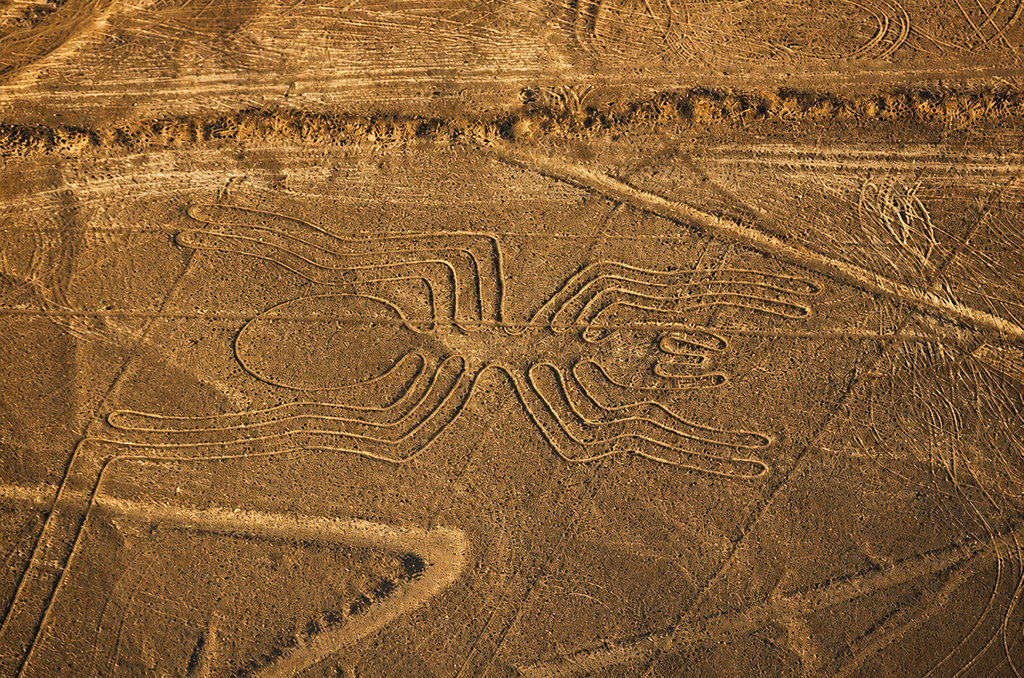
The Nazca lines are found in a region of Peru just over 200 miles southeast of Lima, near the modern town of Nazca.
In total, there are over 800 straight lines, 300 geometric figures and 70 animal and plant designs, also called biomorphs.
Some of the straight lines run up to 30 miles, while the biomorphs range from 50 to 1200 feet in length (as large as the Empire State Building).

Interesting 6  facts that you should know about the Nazca Lines

  1. More than 1,500 geoglyphs are known in Nazca so far. The lines and geometrical figures extend over 500 square kilometers in southern of Peru. The figures are up to 1.9 kilometers, the lines up to 10 kilometers.
  2. They were made in the period of 800 BC. to 650 AC and probably go back to the Paracas and Nazca people, lost cultures of Peru before Inca period.
  3. Actually, new drawings continues appearing. A cat drawing was only discovered on a slope in October 2020.
  4. A more recent hypothesis about the meaning of the lines assumes that the figures illustrate the request for rain. Argument: They show many animals that would not survive in the desert, but need jungle and water.
  5. The Nazca Lines are a major tourist attraction in Peru. The airport in Nazca was named in honor to Maria Reiche; a  German mathematician (Dresdren) who saved and studied the lines . Her small mud hut now houses the Maria Reiche museum.
  6. Joe Nickell, an American investigator, reproduced the figures in the early 21st century by using the same tools and technology that would have been available to the Nasca people. In so doing, he refuted the 1969 hypothesis of Erich von Däniken, who suggested that “ancient astronauts” had constructed the Lines.

[vc_gallery interval=”3″ images=”2103,2101,2105,2108,2107,1944,2106,2102,2104″ img_size=”large” css_animation=”fadeIn”]

How were Nazca’s lines made?

The lines are known as geoglyphs – drawings on the ground made by removing rocks and earth to create a “negative” image. The rocks which cover the desert have oxidized and weathered to a deep rust color, and when the top 12-15 inches of rock is removed, a light-colored, high contrasting sand is exposed.

Because there’s so little rain, wind and erosion, the exposed designs have stayed largely intact for 500 to 2000 years.

Scientists believe that the majority of lines were made by the Nazca people, who flourished from around A.D. 1 to 700.

Brief discovery details of Nazca Lines:

Toribio Mejia Xesspe, a Peruvian archaeologist, began a systematic study of the lines in 1926, but the geoglyphs only gained widespread attention when pilots flew over them in the 1930s. Experts have debated the purpose of the Nazca Lines since then.

In the late 1930s and early 1940s, American historian Paul Kosok studied the geoglyphs from the ground and air. On June 22, 1941, the American professor Paul Kosok was investigating one of the lines – just one day after the winter solstice – when at the end of the day he found himself at the foot of one of the lines.  Kosok looked up and realized that the sunset was in direct alignment with the line.

Kosok called the 310 square mile stretch of high desert “the largest astronomy book in the world”.

Kosok was followed by the German Maria Reiche, who became known as the “Lady of the Lines”. Reiche studied the lines for 40 years and fought unyieldingly for her theories on the lines’ astronomical and calendrical purpose (she received a National Geographic grant in 1974 for her work).

Reiche battled single-handedly to protect the site; she even lived in a small house near the desert so she could personally protect the lines.

New huge cat geoglyph was discovered on 2020

This particular geoglyph is a gigantic cat.  It measures at 37 metres long, and the lines are 10 inches wide! The enormous feline was found when workers were improving an access point for visitors to look out onto the hills.

The figure is actually older than some of the other geoglyphs in the area. It was discovered by a drone exploration covering the land.

How to visit Nazca?

To Nazca city you must arrive by bus. Buses depart from Lima every hour or so, take around seven hours (Depending oft he company) and the cost is about  US$35 to US$ 40 per person.[vc_gmaps link=”#E-8_JTNDaWZyYW1lJTIwc3JjJTNEJTIyaHR0cHMlM0ElMkYlMkZ3d3cuZ29vZ2xlLmNvbSUyRm1hcHMlMkZlbWJlZCUzRnBiJTNEJTIxMW0yOCUyMTFtMTIlMjExbTMlMjExZDE5ODY5MjUuNTM4NDE5MDc2MiUyMTJkLTc3LjEwODc2NTI3MTE1Nzk2JTIxM2QtMTMuNDMwMDI1MzUyNzc0MTQ4JTIxMm0zJTIxMWYwJTIxMmYwJTIxM2YwJTIxM20yJTIxMWkxMDI0JTIxMmk3NjglMjE0ZjEzLjElMjE0bTEzJTIxM2UwJTIxNG01JTIxMXMweDkxMDVjNWY2MTllZTNlYzclMjUzQTB4MTQyMDZjYjljYzQ1MmU0YSUyMTJzTGltYSUyNTJDJTI1MjBQZXJ1JTIxM20yJTIxMWQtMTIuMDQ2MzczMSUyMTJkLTc3LjA0Mjc1NCUyMTRtNSUyMTFzMHg5MTE0MWU0M2EwNjc2MmUzJTI1M0EweDY0ZTA4MzY0ZTg5MGVjMDIlMjEyc05hemNhJTI1MkMlMjUyMFBlcnUlMjEzbTIlMjExZC0xNC44MzU4Njg2OTk5OTk5OTklMjEyZC03NC45MzI3NTgzJTIxNWUwJTIxM20yJTIxMXNkZSUyMTJzdXMlMjE0djE2MTQyNjQzMTI4ODklMjE1bTIlMjExc2RlJTIxMnN1cyUyMiUyMHdpZHRoJTNEJTIyNjAwJTIyJTIwaGVpZ2h0JTNEJTIyNDUwJTIyJTIwc3R5bGUlM0QlMjJib3JkZXIlM0EwJTNCJTIyJTIwYWxsb3dmdWxsc2NyZWVuJTNEJTIyJTIyJTIwbG9hZGluZyUzRCUyMmxhenklMjIlM0UlM0MlMkZpZnJhbWUlM0U=”]Taking to the skies to see the lines:

Once in Nazca, there are only two options for viewing the amazing lines:

1.-  To climb the nearby observation tower.

2.- To take a fly over the lines. Flying is undoubtedly preferable as it offers a bird’s eye view of the most important etchings. (Attention: 30-minute flight consists of numerous sharp turns which leave most travelers feeling seriously nauseous). Take an anti-nausea tablet from a local pharmacy and try not to eat any big meals within a few hours of take off.

Early morning departures are best as there tends to be less turbulence and better visibility. The price is between 80 and 100 US $ for 30‘ minutes overflight, to which must be added a Airport tax fee S/. 25 soles (about US$8).

Visit the Museum

This is a great tip! We recommned to visit the two excellent local museums, the Casa-Museo Maria Reiche and the Museo Antonini, both provide detailed information about these ancient pre-Inca people and some of their possible motivations for drawing the lines.Sources:

Radio Nacional . (8 de junio de 2020). maria-reiche-la-mujer-que-barria-el-desierto Peru Travel: promperu Nasca Lines History: https://www.history.com/topics/south-america/nazca-lines BR Wisen: https://www.br.de/wissen/nazca-linien-peru-maria-reiche-frau-geschichte-frauengeschichte-102.html BBC: https://www.bbc.com/mundo/noticias-41474754 RTVE . (16 de Octubre de 2020). https://www.rtve.es/noticias/20201017/descubren-nuevo-geoglifo-forma-gato-lineas-nazca/2045941.shtml

4 FacebookTwitterPinterestEmail
Peru Great Destinations

Machu Picchu: Check these amazing secrets before the Tour

by Giardino Tours February 19, 2021


Machu Picchu:

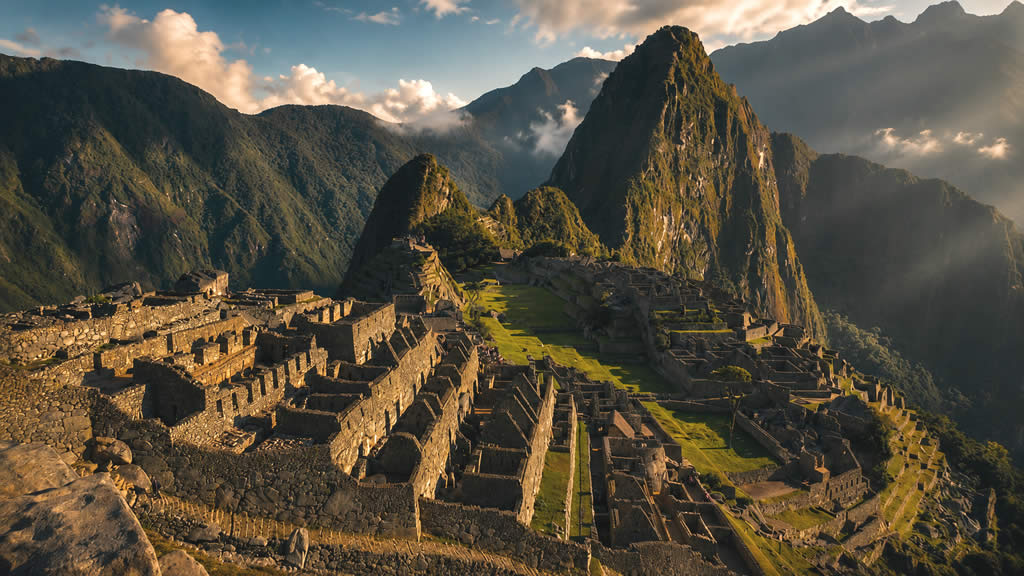
A stone city built on the top of an isthmus, between two mountains and between two geological faults, in a region subject to constant earthquakes and, above all, heavy rains all year round. No doubt that this city was a challenge for any master of engineering.

1.- Machu Picchu  It’s no stranger to earthquakes.


The stones in the most handsome buildings throughout the Inca Empire used no mortar. These stones were cut so precisely, and wedged so closely together, that a credit card cannot be inserted between them.

Aside from the obvious aesthetic benefits of this building style, there are engineering advantages.

Peru is a seismically unstable country—both Lima and Cusco have been leveled by earthquakes—and Machu Picchu itself was constructed atop two fault lines. When an earthquake occurs, the stones in an Inca building are said to “dance;” that is, they bounce through the tremors and then fall back into place.

Without this building method, many of the best known buildings at Machu Picchu would have collapsed long ago.


2.- Much of the most impressive stuff is invisible.


While the Inca are best remembered for their beautiful walls, their civil engineering projects were incredibly advanced as well. (Especially, as is often noted, for a culture that used no draft animals, iron tools, or wheels.)

The site we see today had to be sculpted out of a notch between two small peaks by moving stone and earth to create a relatively flat space. The engineer Kenneth Wright has estimated that 60 percent of the construction done at Machu Picchu was underground.

Much of that consists of deep building foundations and crushed rock used as drainage. (As anyone who’s visited in the wet season can tell you, Machu Picchu receives a lot of rain.)


3.- The location of Machu Picchu is not a coincidence


On Monday, 23 Sept. 2019, at the Geological Society of America Annual meeting in Phoenix, Rualdo Menegat, a geologist at Brazil’s Federal University of Rio Grande do Sul, will present the results of a detailed geoarchaeological analysis that suggests the Incas intentionally built Machu Picchu — as well as some of their cities — in locations where tectonic faults meet.

“Machu Pichu’s location is not a coincidence,” says Menegat. “It would be impossible to build such a site in the high mountains if the substrate was not fractured.”

Menegat found that these faults and fractures occur in several sets, some of which correspond to the major fault zones responsible for uplifting the Central Andes Mountains during the past eight million years.

Because some of these faults are oriented northeast-southwest and others trend northwest-southeast, they collectively create an “X” shape where they intersect beneath Machu Picchu.


4.- There’s more than one peak to climb


When you visit Machu Picchu for sure you want to visit also the Huayna Picchu peak (the small green peak, shaped like a rhino horn, that appears in the background of many photos of Machu Picchu.) but only  400 people are permitted to climb Huayna Picchu daily.

Almost no one bothers to ascend the pinnacle that anchors the opposite end of the site, which is usually called Machu Picchu Mountain. At 1,640 feet it is twice as tall, and the views it offers of the area surrounding the ruins—especially the Urubamba River winding around Machu Picchu like a coiled snake—are spectacular.


5.- There’s a secret temple.


Should you be one of the lucky early birds who snags a spot on the guest list to Huayna Picchu, don’t just climb the mountain, snap a few photos, and leave.

Take the time to follow the hair-raising trail to the Temple of the Moon, located on the far side of Huayna Picchu. Here, a ceremonial shrine of sorts has been built into a cave lined with exquisite stonework and niches that were once probably used to hold mummies.


6.- It has a great sense of orientation


There is solid evidence that the builders took into account astronomical and ritual criteria for the construction of Machu Picchu, according to studies by Dearborn, White, Thomson and Reinhard, among others.

Indeed, the alignment of some important buildings coincides with the solar azimuth during the solstices, in a constant and therefore not accidental way, with the rising and setting points of the sun at certain times of the year and with the peaks of the surrounding mountains.


Recent research has shown that the site’s location of many constructions of the Incas and the orientation of them, was strongly influenced by the location of nearby holy mountains, or Apus.


For example, an arrow-shaped stone atop the peak of Huayna Picchu appears to point due south, directly through the famous Intihuatana Stone, to Mount Salcantay, one of the most revered apus in Inca cosmology.


Giardino Tours /  Travel Blog


@Giardinotoursperu

#ItravelwithGiardino #OneTripManyExperiences


Sources:

National Geographic: Machu Picchu 10 secrets

Wikipedia: Machu Picchu

BBC News (Mitos y verdades de Machu Picchu)

La vanguardia: Machu Picchu en un lugar tan complicado

Science daily: Ancient Incan sanctuary intentionally built on faults


4 FacebookTwitterPinterestEmail
Culture & Traditions

Peru 2 love’s story tellings and myths

by Giardino Tours February 12, 2021

Love always contains a great mystery, because for each person, people and time love has been interpreted and manifested in different forms.

But today we are going to tell you about 2 romantic peruvian love’s story tellings related to ancient Peruvian traditions. These are popular stories in which fantastic or supernatural events are related, as if they were real events. Many of them are created by the community and are transmitted from parents to children, from generation to generation, that is why they are part of our culture and to the memory of Peruvians and are usually related to the beliefs and folklore of a certain region in Peru.

Love’s story tellings of Huascarán and Huandoy mountains.

This romantic love’s story telling takes place in time of the Inca Empire, when the people of Cusco expanded their dominions through the Callejón de Huaylas. In this region (located in Ancash) there are more than 20 snow-capped peaks that exceed 6000 m.a.s.l. and the highest mountain in Peru and the intertropical zone is the Huascarán.
The legend said that there was a laborious and peaceful tribe in “Callejon de Huaylas” where one day a very badly wounded soldier arrived with a message to the Great chief. The man informed that some warriors from Cusco had sacked his town without mercy and that they were heading towards the village.
Looking at the situation the great chief ordered his warriors to go in search of the leader of the Cusco army, proposing a peaceful negotiation. And so it happened. Days later, the soldiers returned to the tribe with a Cusqueño warrior “Huáscar”, the most recognized warrior of the invading tribe of Cusco.Shortly afterwards, someday the strong Huáscar met on his path a beautiful young woman with long black hair, big eyes and a beautiful smile; she was the daughter of the great chief of the tribe; her name was Huandy.


As in every romantic story, the warrior Huascar and the beautiful girl fell in love, but this was a “forbidden” love. So the lovers decided to run away together.

Furious for the offense realized by Huascar and his daughter, the Great Chief ordered their capture. Once in prison, the great Chief humiliated them in public and then tied them to wooden logs, placed in such a way that they could see each other as they died.

The warrior Huascar hoped that his people (the Incas) would arrive and rescue them. However, when the Cusco army arrived, they supported the decision of the Great chief.
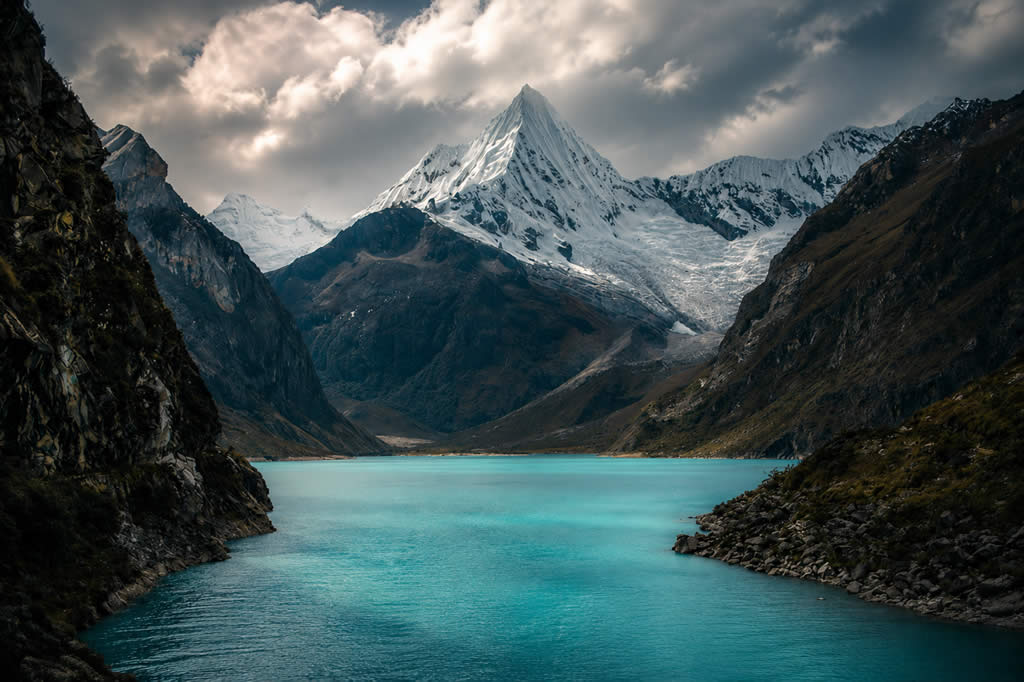
Without hope and prisoner of great impotence, Huascar swore revenge on all of them and thus both lovers began to cry full of pain. The legend said that both lovers cried until they were completely dry. From the tears of Princess Huandy, Lake Chinancocha was formed, also known as “the female lagoon” and from the tears of Huáscar, Lake Orcococha, also known as “the male lagoon”. (Also known as Lagunas Llanganuco)
The god “Inti” (the Sun) observing what happened and in pain also, sent a lot of rain, thunder, lightning and hailstorm to all the area. The legend said that it was so much and for so long time that the bodies of the lovers were covered, thus forming the snow-covered mountain Huascarán (for Huáscar) and the snow-covered mountain Huandoy (for Huandy) .

This love’s story tellings said specially among the local people of the Callejón de Huaylas, that in 100 or 200 years the snow-capped mountains will remain without snow and Huáscar and Huandy will resurrect and meet again to live their love forever. (Cardenas, 2020)

Love’s story tellings of the Huacachina oasis – Ica

In the middle of the coastal desert of the Pacific Ocean, in the Ica region, there is a beautiful oasis “La Huacachina”. A Oasis of green waters and around which there is abundant vegetation composed of palm trees, eucalyptus and huarangos, the same that are used for migrant birds that usually pass through This region.  That makes it one of the most beautiful and striking tourist spots in Peru, however, its beauty also contains a myth related to unconditional and infinite love.
Huacachina,means the “crying woman” in the Quechua language. The legend said that in this lagoon an Inca princess named Huacca China was born (Her name means “the one who makes people cry.”).They said that the princess fell in love with a young warrior of the empire who died shortly after they met. It is said that when the princess was informed of the tragedy, she went to the place where they had met for the first and c and cried intensely; then, while crying, she looked through her hand mirror and saw young man who was looking at her; the young man tried to get closer to her, but she got scare and began to run through the desert.According to legend, her clothes shaped the dunes that surround the oasis and the mirror got broken, giving shape to the lagoon.

After that the princess enters the lagoon and becomes a mermaid and the tradition tells that this mermaid appears every night on full moon to sing old songs to her lover.

Apart for knowing now these love’s story tellings, for sure now when you travel to Huaraz (Ancash) or to the Huacachina Oasis, you will look at every detail with different eyes …

And perhaps through the eyes of those “lovers”.


GIARDINO TEAM@GiardinoToursperu

#ItravelwithGiardino #OneTripManyExperiences

2 FacebookTwitterPinterestEmail
Newer Posts
Older Posts

More Articles/Más Artículos

  • Colca Canyon Tour: Introducing the awesome Colca Canyon
  • Peru Trip: Altitude mountain sickness and 6 easy tips to avoid it
  • Peruvian Carnivals: Magic, culture & celebration
  • Arequipa Tour: 2 surprising curiosities about this destination!
  • Colca Sour: An unique Cactus cocktail
  • Peru 2 love’s story tellings and myths
  • Enigmatic Sillustani & best way to book a Tour
  • Amazing Tour Maras Salt ponds in Cusco (Virtual)
  • Tips for a Responsible Peru Travel Experience!
  • Colca canyon Travel Guide: 7 Questions about Colca Tours
  • Facebook
  • Twitter

@2021 - All Right Reserved. Designed and Developed by PenciDesign


Back To Top
Giardino Tours Blog
  • Go to Giardino Tours
  • English
  • Español